Double glazing glass types
The glass, coatings and gas inside a sealed unit do most of the thermal and acoustic work. Here is what each double glazing glass option means and when it is worth paying for.
Low-emissivity (Low-E) glass
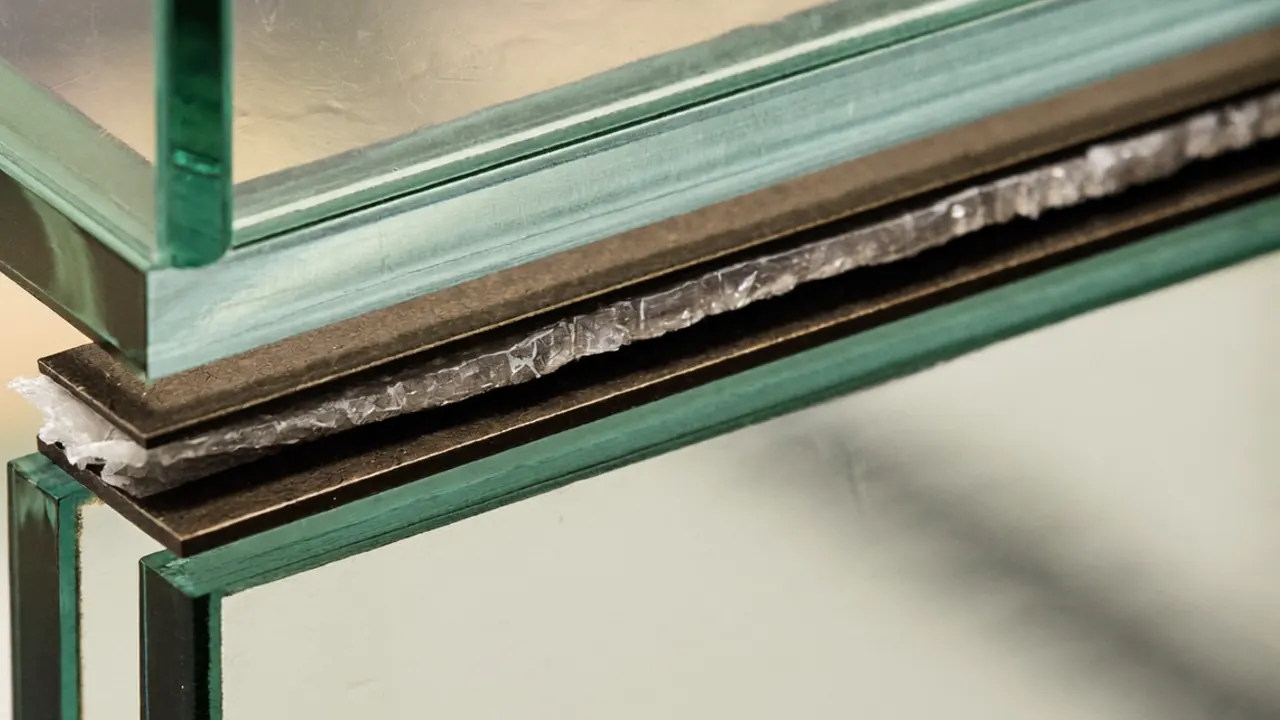
Low-E glass is the single most important upgrade in a modern unit. A microscopically thin metallic oxide coating on one internal surface reflects heat radiation back into the room while still letting daylight through. This lowers the U-value markedly and is now standard on Building Regulations-compliant windows. If a quote does not mention Low-E, ask — it should be there.
Argon gas fill and warm-edge spacers
Filling the cavity with argon rather than air improves insulation, because the denser gas slows heat transfer across the gap. It is inexpensive and near-universal on quality units. The spacer bar around the edge also matters: traditional aluminium spacers conduct heat and can cause cold-edge condensation, whereas a warm-edge spacer made from composite or steel reduces that bridging and lifts overall performance. Together, argon and a warm-edge spacer are small extras that add up.
Triple glazing
Triple glazing adds a third pane and a second cavity, pushing U-values lower still. It comes into its own in very cold or exposed locations, for north-facing rooms, and where noise is a serious problem. It is heavier and dearer, and the marginal gain over a good double glazed unit is smaller than many expect, so it is not automatically the right answer. Weigh the cost against the benefit for your home. For a wider look at running-cost benefits and how upgrades pay back over time, see the energy-saving and payback picture.
Decided on a glass spec? Compare free, no-obligation quotes from vetted installers.
Get my double glazing quotesAcoustic and toughened glass
Acoustic glass uses a laminated interlayer, or panes of differing thickness, to dampen sound — valuable near busy roads, railways or flight paths. Toughened (tempered) or laminated safety glass is required by Building Regulations in critical locations such as low-level glazing, doors and glass beside doors, because it breaks safely or holds together when struck. A good installer will specify safety glass where the rules demand it; you can read what those rules cover in our guide to building regulations for windows.
How the glass fits the rest of the decision
Glass performance depends on the frame that holds it, so read this page alongside our guide to window frame materials. If you want the underlying principles first — why the cavity and coatings matter — start with double glazing explained. To see the whole decision in order, return to the double glazing buyer's guide.
Get quotes on the right glass
Tell us about your home and compare free, no-obligation quotes from vetted, accredited installers.
Get my quotes