Building regulations for windows in the UK
Replacing windows is controlled work. Here is what UK double glazing regulations require on energy efficiency, ventilation, safety glass and escape — and how compliance is proven.
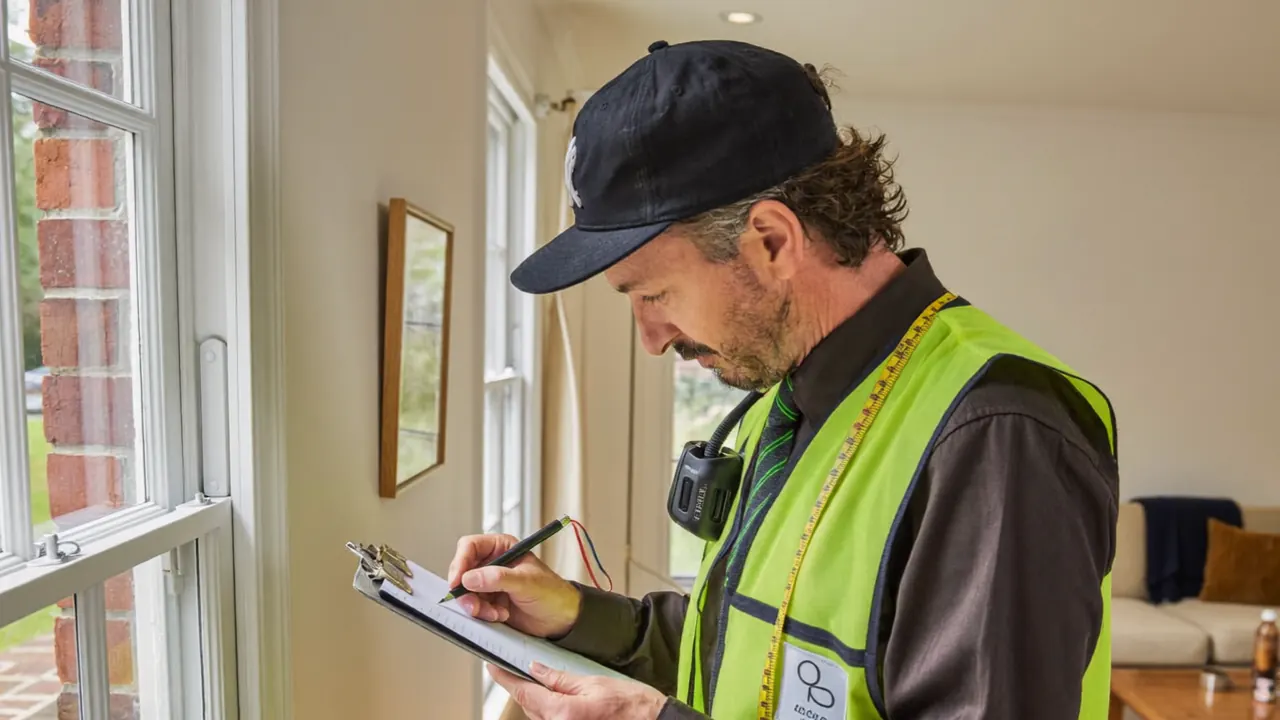
Windows are controlled work
Since 2002, replacing windows in England and Wales has been controlled under the Building Regulations. That means a like-for-like replacement is not simply a private matter between you and a fitter: the finished work must meet minimum standards, and compliance must be either self-certified by a registered installer or signed off by your local authority building control. Scotland and Northern Ireland operate their own equivalent building standards with the same broad aims.
Energy efficiency (Part L)
Approved Document Part L sets thermal standards. Replacement windows must achieve a maximum U-value, or an equivalent window energy rating, so that the new glazing does not waste heat. In practice, standard Low-E double glazing with argon fill and a warm-edge spacer meets the requirement — the same specification we describe in our guide to double glazing glass types. Ask your installer to confirm the figures in writing.
Ventilation, safety glass and escape
Habitable rooms need adequate ventilation, so replacement windows commonly include trickle vents to maintain background airflow and reduce condensation. Safety glass — toughened or laminated — is required in critical locations such as low-level glazing and glass in and beside doors. In certain rooms, at least one window must meet minimum openable dimensions to serve as a means of escape in a fire. A competent installer designs all of this into the specification during the survey.
Want compliant windows fitted right? Compare free, no-obligation quotes from vetted installers.
Get my double glazing quotesProving compliance
Most homeowners never deal with building control directly, because their installer is registered with a competent person scheme. The installer self-certifies the work, notifies the local authority automatically and issues a certificate confirming compliance. That certificate matters when you come to sell, as conveyancing solicitors routinely ask for it. Our guide to FENSA and CERTASS explained covers how those schemes work in detail.

Common questions
Do replacement windows need to meet Building Regulations?
Yes. In England and Wales, replacing windows is controlled work that must meet Building Regulations for thermal efficiency, ventilation, safety glazing and, where applicable, means of escape. The work must be either notified to building control or self-certified by an installer registered with a competent person scheme.
What U-value do new windows have to achieve?
Under Part L in England, replacement windows must meet a maximum U-value or an equivalent window energy rating. Standard Low-E double glazing with argon fill and a warm-edge spacer typically meets the requirement. Your installer should confirm the figures on the quote and certificate.
Do I need a FENSA or CERTASS certificate?
If your installer is registered with a competent person scheme such as FENSA or CERTASS, they self-certify the work and issue a certificate that confirms compliance and notifies your local authority. You will usually need this certificate when you sell the property, so keep it safe.
Are there extra rules for listed buildings or conservation areas?
Yes. Listed buildings normally require listed building consent for window changes, and conservation areas may restrict materials and styles. Always check with your local planning authority before ordering, as these controls sit alongside Building Regulations.
For the full picture, return to the double glazing buyer's guide, or read double glazing explained for the underlying principles.
Get quotes from registered installers
Tell us about your home and compare free, no-obligation quotes from vetted, accredited installers.
Get my quotes