Double glazing explained
What is double glazing, how does a sealed unit work, and why does the invisible gap between the panes do most of the work? Here is the plain-English answer.
What double glazing actually is
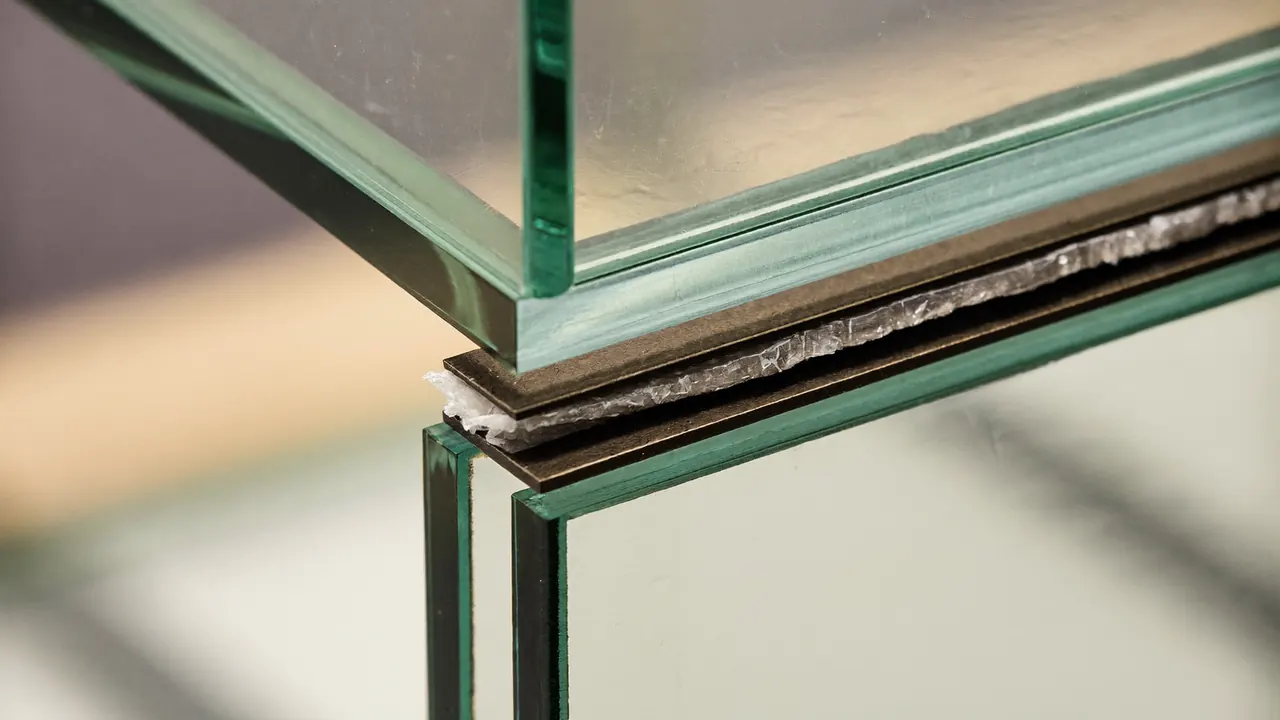
Double glazing is a sealed window unit made from two panes of glass separated by a spacer bar around the edge, with the cavity between them filled with dry air or an inert gas such as argon. The whole assembly is bonded and sealed so the cavity stays sealed for years. Fitted into a frame of uPVC, aluminium or timber, that unit becomes the window you see. The point of the second pane is not really the glass — it is the still layer of gas trapped between the two panes, which is a poor conductor of heat and a useful barrier to sound.
Single glazing, by contrast, is one pane with nothing to slow heat escaping. That is why older single-glazed homes feel cold near the windows, suffer condensation on winter mornings, and let in more street noise. A well-specified double glazed unit tackles all three at once.
How a sealed unit keeps heat in
Heat moves through a window in three ways: conduction through the glass and frame, convection as air circulates, and radiation. The sealed cavity slows conduction and convection because the trapped gas cannot circulate freely and does not conduct heat well. Argon, being denser than air, does this a little better than air alone. Most modern units also use a low-emissivity (Low-E) coating — a microscopically thin metallic layer on one internal glass surface that reflects heat back into the room while still letting light through. Together, the cavity, the gas and the coating are what give a unit its insulating value, measured as a U-value: the lower the number, the better the insulation.
To see how each of those ingredients changes performance, read our guide to double glazing glass types, which covers Low-E coatings, argon fill, warm-edge spacers and triple glazing in detail.
Understand the basics? The next step is comparing free, no-obligation quotes for your home.
Get my double glazing quotesThe frame matters as much as the glass
A brilliant sealed unit in a poor frame will still perform badly, because heat escapes around the edges and through gaps. The frame carries the glass, seals the opening and shapes the look of the window, and each material behaves differently. Our guide to window frame materials compares uPVC, aluminium and timber so you can weigh insulation, appearance, lifespan and upkeep together rather than judging the glass in isolation.
Why installation quality counts
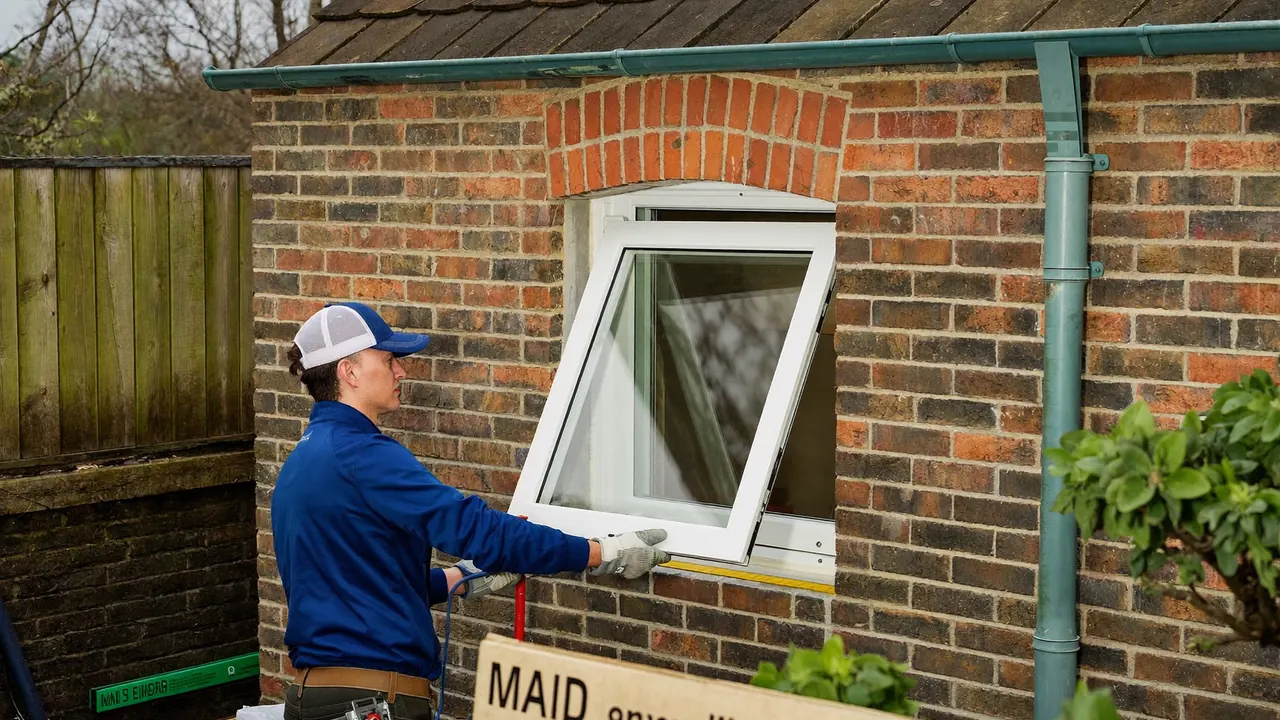
Even the best unit relies on being installed square, level, properly sealed and correctly ventilated. Poor fitting causes draughts, premature seal failure and condensation, and it can breach Building Regulations. That is why we always point readers towards vetted, accredited installers and written quotes after a proper survey. For a broader view of double glazing across the market, you can also browse our double glazing information hub, which gathers guidance from across the network.

Ready to go deeper? Return to the double glazing buyer's guide for the full decision map, or move straight on to frames and glass.
Compare quotes with confidence
Now you know how double glazing works, get free, no-obligation quotes from vetted local installers.
Get my quotes