FENSA & CERTASS explained
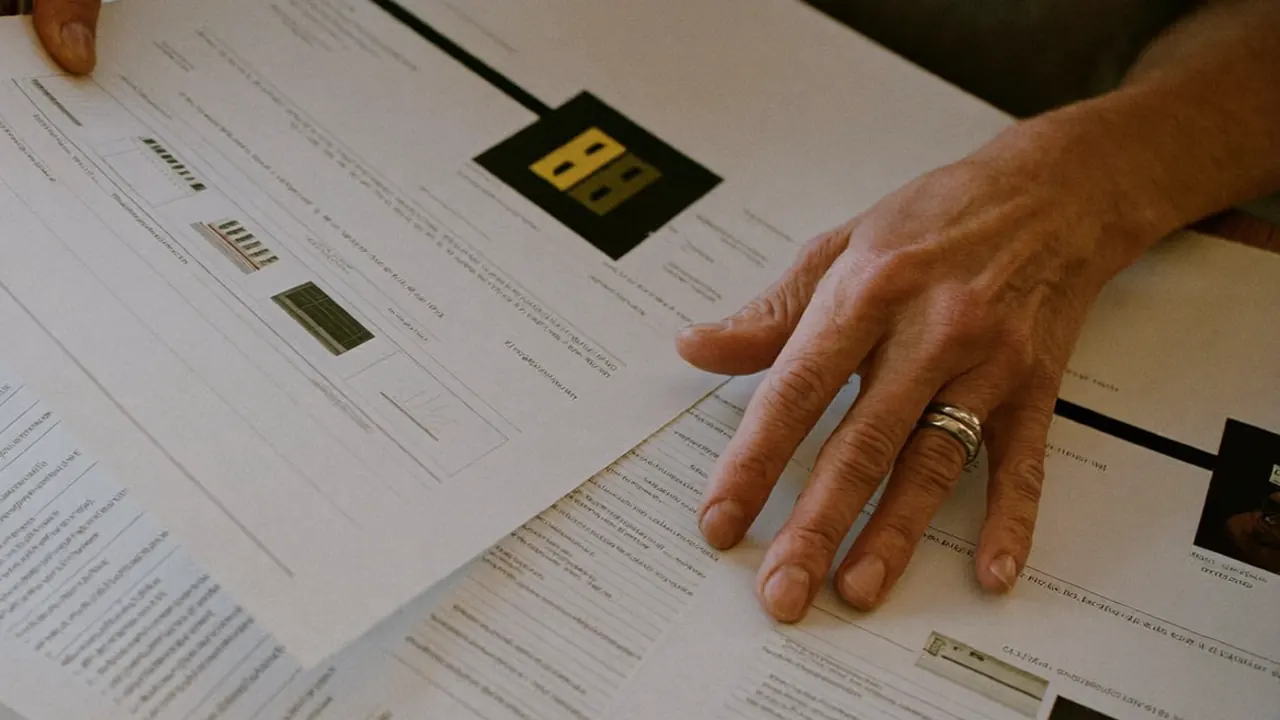
A FENSA or CERTASS certificate is your proof that replacement windows meet Building Regulations. Here is what the schemes are, how they differ, and why the certificate matters when you sell.
What a competent person scheme is
When Building Regulations began controlling window replacement, the government created competent person schemes so that qualified installers could self-certify their own work rather than every job passing through local authority building control. FENSA (the Fenestration Self-Assessment Scheme) and CERTASS are the two best-known schemes for windows and doors. An installer who belongs to one has been assessed as competent to meet the regulations, and can register each completed job on your behalf.
What FENSA does
FENSA is the largest scheme and was set up by the glazing industry with government backing. A FENSA-registered installer inspects and certifies that your replacement windows comply with the relevant Building Regulations, then notifies your local authority automatically. You receive a FENSA certificate — usually within a few weeks — confirming the work was done to standard. This is the document most people mean when they talk about window certification.
How CERTASS compares
CERTASS is a competing competent person scheme that does essentially the same job: it registers installers, certifies compliant work and notifies building control. From a homeowner's point of view a CERTASS certificate carries the same weight as a FENSA one. Some installers belong to CERTASS, others to FENSA, and a few to alternatives. What matters is that your installer belongs to a recognised scheme and issues you a valid certificate — not which scheme it is.
Want a registered installer? Compare free, no-obligation quotes from vetted local firms.
Get my double glazing quotesWhy the certificate matters
The certificate is not just a formality. When you sell your home, the buyer's solicitor will ask for evidence that any replacement windows fitted since 2002 comply with Building Regulations. Without a FENSA or CERTASS certificate — or a building control completion certificate — you may have to pay for a regularisation certificate or indemnity insurance, which can delay a sale. Keep the certificate safe with your other property documents from day one.
What to check before you book
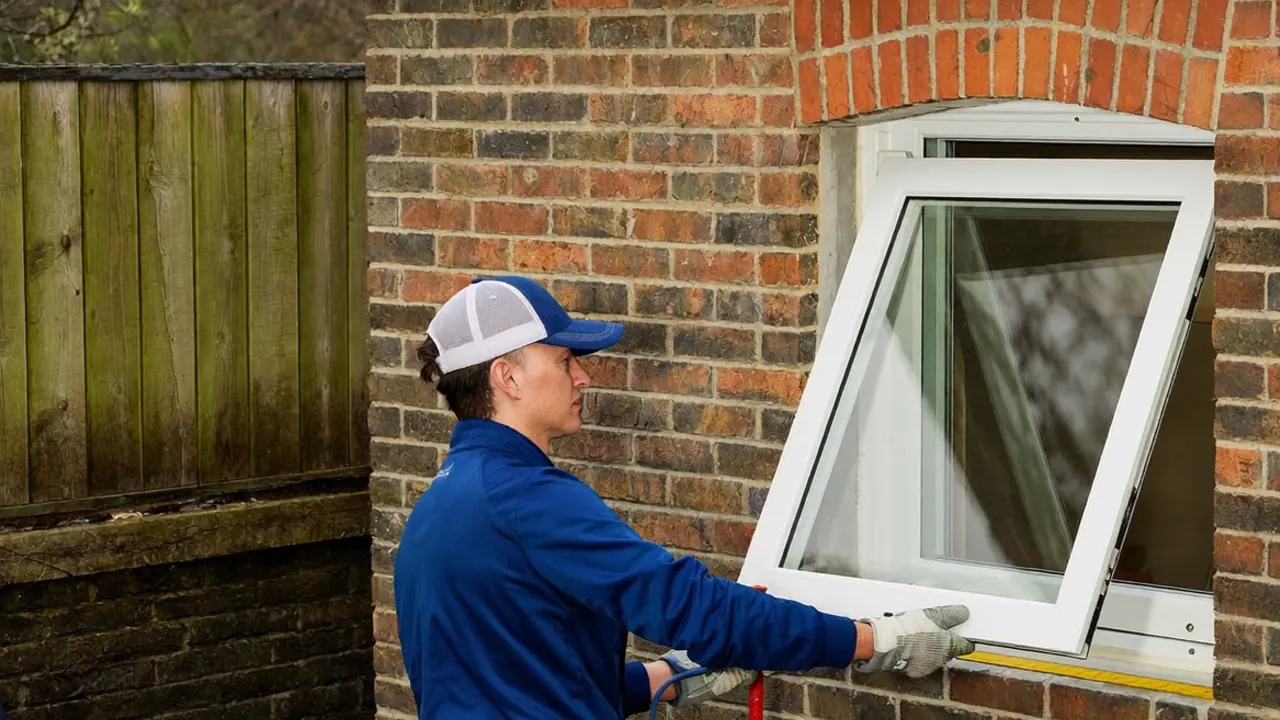
Always confirm scheme membership before signing. Ask for the installer's registration number, check it on the relevant scheme's public register, and make sure the quote states that the certificate is included at no extra cost. This is one of the checks that separates a reliable installer from a doorstep bargain, alongside insurance-backed guarantees and deposit protection. Our guides to building regulations for windows and getting double glazing quotes in the UK set out the wider checklist.

For the full decision from start to finish, return to the double glazing buyer's guide.
Get quotes with certification included
Tell us about your home and compare free, no-obligation quotes from vetted, accredited installers.
Get my quotes