When to replace double glazing
Not every problem means new windows, but some signs point clearly to replacement. Here is how to read the symptoms and decide whether replacing double glazing is the sensible move.
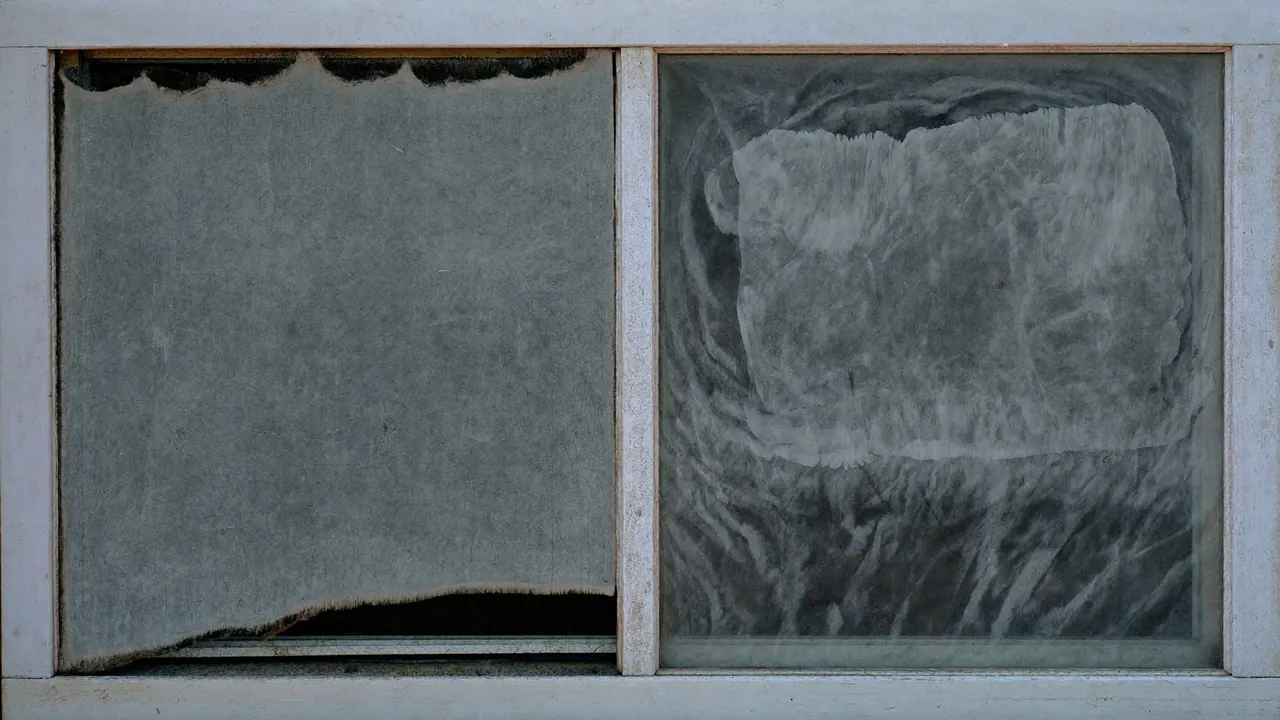
Misting between the panes
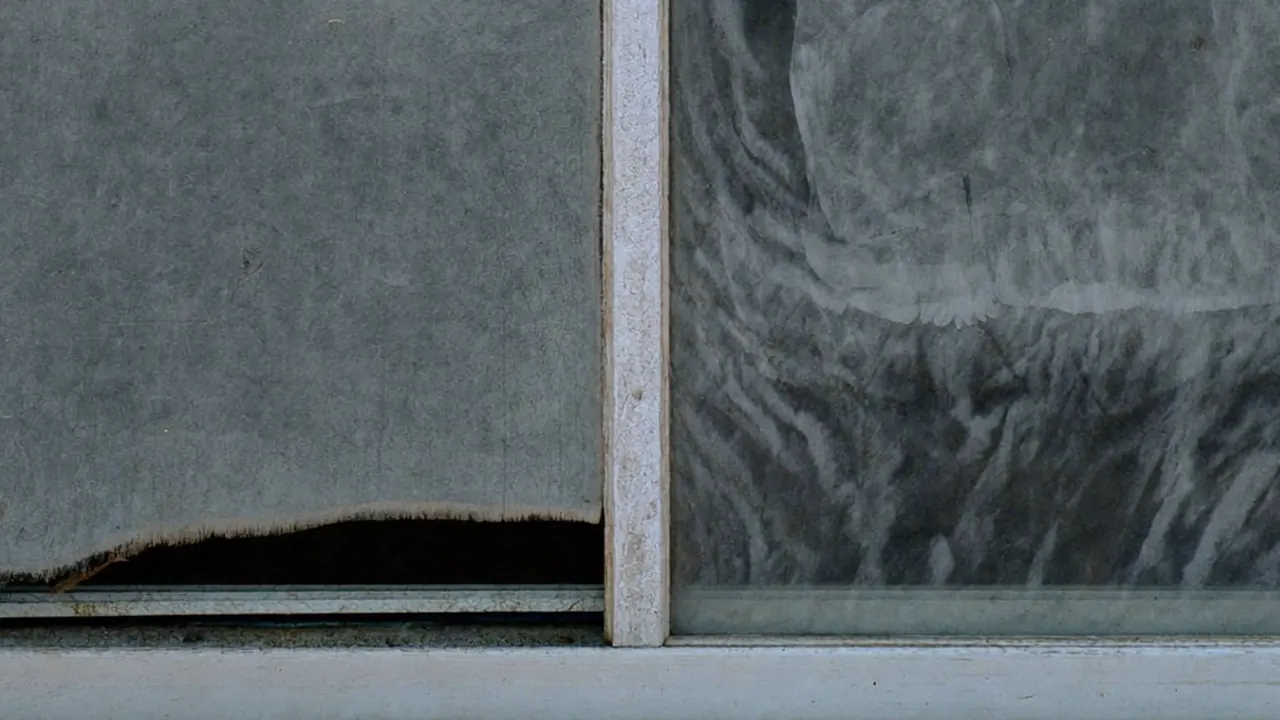
The clearest sign of a failed unit is condensation or a cloudy film trapped between the two panes, where you cannot wipe it away. This means the perimeter seal has failed, the insulating gas has escaped and moisture has entered the cavity. Once a unit has misted, its insulating performance is compromised and it will only get worse. The good news is that a single failed unit can often be replaced on its own; if many windows have gone at once, whole-window replacement usually makes more sense.
Draughts, leaks and cold spots
If you feel draughts near closed windows, notice water ingress on the sill, or find the area around the window is noticeably colder than the room, the seals or the frame may be failing. Worn gaskets can sometimes be replaced, but persistent draughts across several windows — especially in older uPVC that has become brittle — point towards replacement. Rising heating bills without another explanation often trace back to tired windows losing their thermal edge.
Stiff handles, poor security and damage
Windows that are hard to open or lock, hinges that have dropped, or handles that no longer engage properly are both an inconvenience and a security risk. Some hardware can be repaired, but if the frame itself has warped, cracked or rotted, replacement is the safer answer. Modern windows also bring improved multi-point locking and toughened safety glass where the rules require it — a step up in security over older units.
Seeing these signs? Compare free, no-obligation replacement quotes from vetted installers.
Get my double glazing quotesRepair or replace?
As a rule, isolated faults — one misted unit, a worn gasket, a broken handle — are worth repairing. But when problems cluster, when the frames themselves are failing, or when the windows are simply old and inefficient, replacement is usually more economical over the long run and restores comfort, security and efficiency in one step. Our guide on how long double glazing lasts helps you judge where your windows sit on that curve.
Planning a replacement
If replacement is the right call, take the chance to upgrade the specification — better glass, a warm-edge spacer, the right frame material and style for your home. Read our guides to double glazing glass types and the wider double glazing buyer's guide first, then gather several written quotes after a survey. Funding and contribution options may be available, subject to eligibility and a home survey.
Ready to replace your windows?
Tell us about your home and compare free, no-obligation quotes from vetted, accredited installers.
Get my quotes