How long does double glazing last?
A well-made, well-fitted window can serve a UK home for decades — but the sealed unit, the frame and the seals age at different rates. Here is a realistic picture of double glazing lifespan.

The headline: 20 to 35 years
As a general guide, quality double glazing lasts somewhere between 20 and 35 years, with many installations comfortably reaching the upper end when they are well specified and properly maintained. That figure is an average across the whole window, not a fixed expiry date. Some units fail early through poor manufacture or fitting; others keep working well beyond 30 years. The honest answer is that lifespan depends on component quality, exposure and installation, so treat any single number as a rule of thumb rather than a promise.
Sealed units: the first thing to age
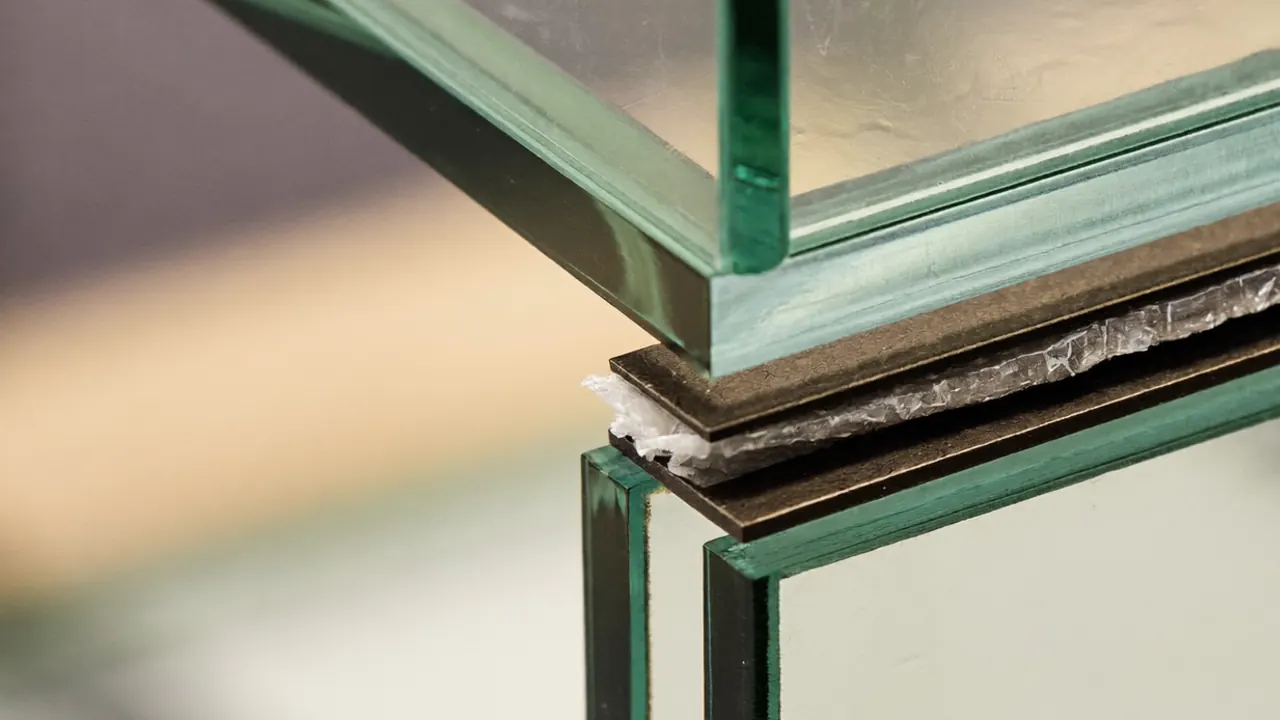
The sealed glass unit is usually the first part to show its age. Over time the perimeter seal can degrade, letting the argon escape and allowing moisture into the cavity — which shows as misting or condensation between the panes that you cannot wipe away. A good sealed unit typically holds its seal for 15 to 25 years, though budget units may cloud sooner and premium ones last longer. Importantly, a failed unit can often be replaced on its own without changing the whole window.
Frames outlast the glass
Frames generally outlive the glazing. Quality uPVC lasts 25 to 35 years or more, aluminium can exceed 30 to 45 years thanks to its strength and coating, and well-maintained timber can last generations if it is repainted and cared for. The frame material you choose therefore shapes the long-term value of the window — a comparison we set out in our guide to window frame materials. For a longer view on durability across the market, see how long quality windows really last.
Windows nearing the end of their life? Compare free, no-obligation replacement quotes.
Get my double glazing quotesWhat shortens the lifespan
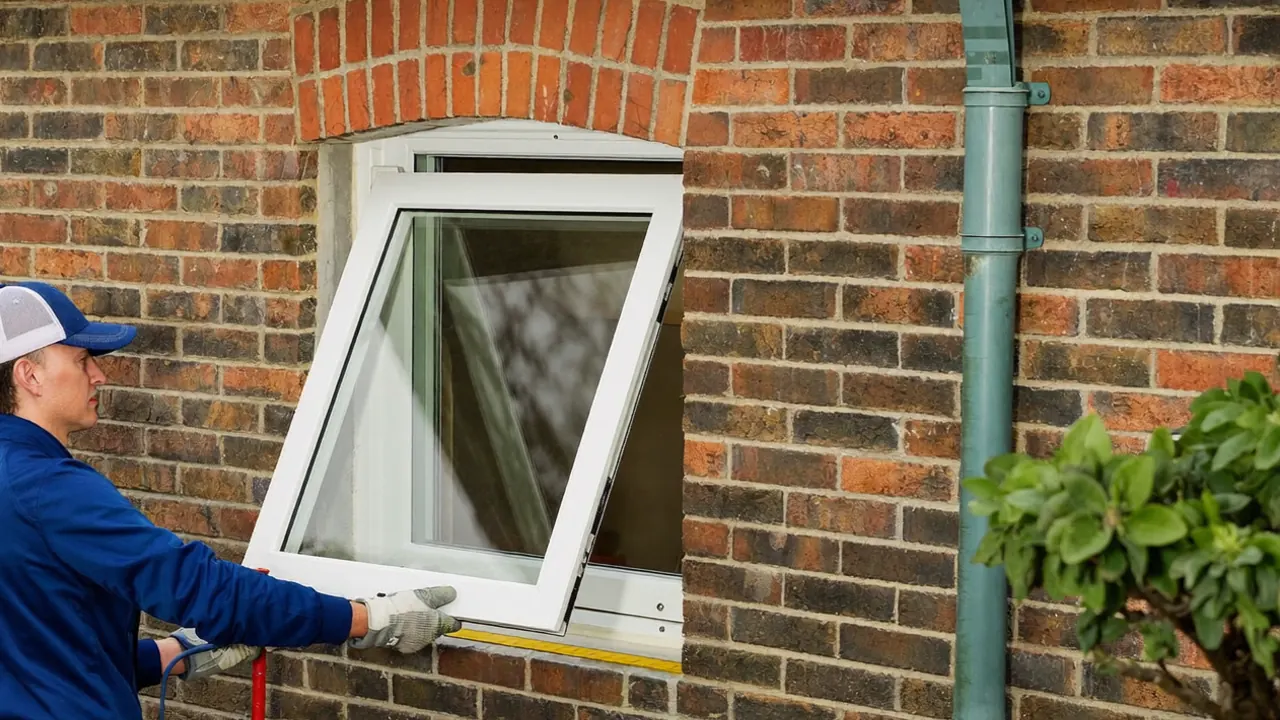
Several factors bring the end date forward. Poor installation is the biggest culprit — units fitted out of square, without proper drainage or with damaged seals fail early. South and west-facing windows take more ultraviolet and thermal stress. Coastal salt air is hard on hardware and coatings. Slamming, blocked drainage channels and neglected maintenance all take their toll. Choosing a registered, competent installer, as covered in our guide to double glazing glass types and the wider buyer's guide, is the single best way to reach the top of the range.
Getting the most from yours
Simple care extends the life of any window: keep drainage holes clear, wipe frames and seals, lubricate hinges and locks, and deal with condensation between panes promptly. When several signs appear at once, though, replacement is usually more economical than repair — which is the subject of our guide on when to replace double glazing.
To put lifespan in the context of the whole decision, return to the double glazing buyer's guide.
Time for new windows?
Tell us about your home and compare free, no-obligation quotes from vetted, accredited installers.
Get my quotes